

EED Director General, Dr. Alebachew Nigussie ,
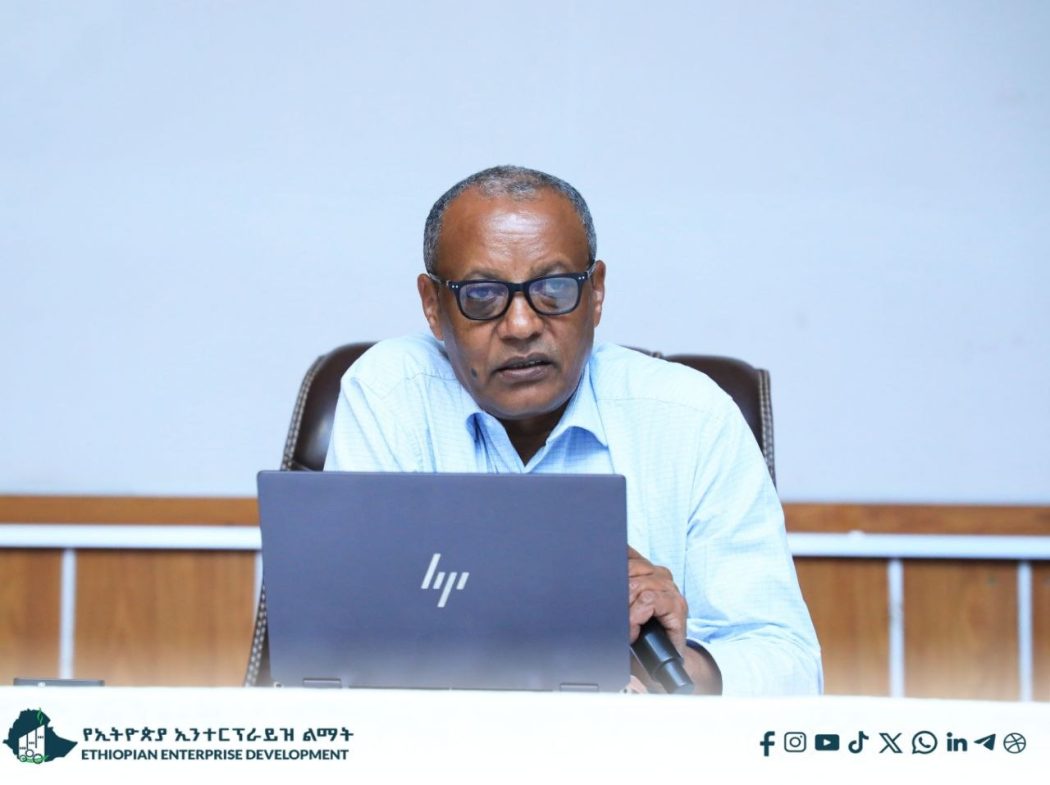
“Monitoring and Support Systems in the Manufacturing Sector Must Be Problem-Solving and Impact-Driven!”
EED Director General, Dr. Alebachew Nigussie ,
EED — Sene 20, 2018 (E.C.) — Monitoring and support frameworks within the manufacturing sector must pivot toward actively identifying bottlenecks, delivering concrete solutions, and securing sustainable results, announced Dr. Alebachew Nigussie, Director General of Ethiopian Enterprise Development (EED).
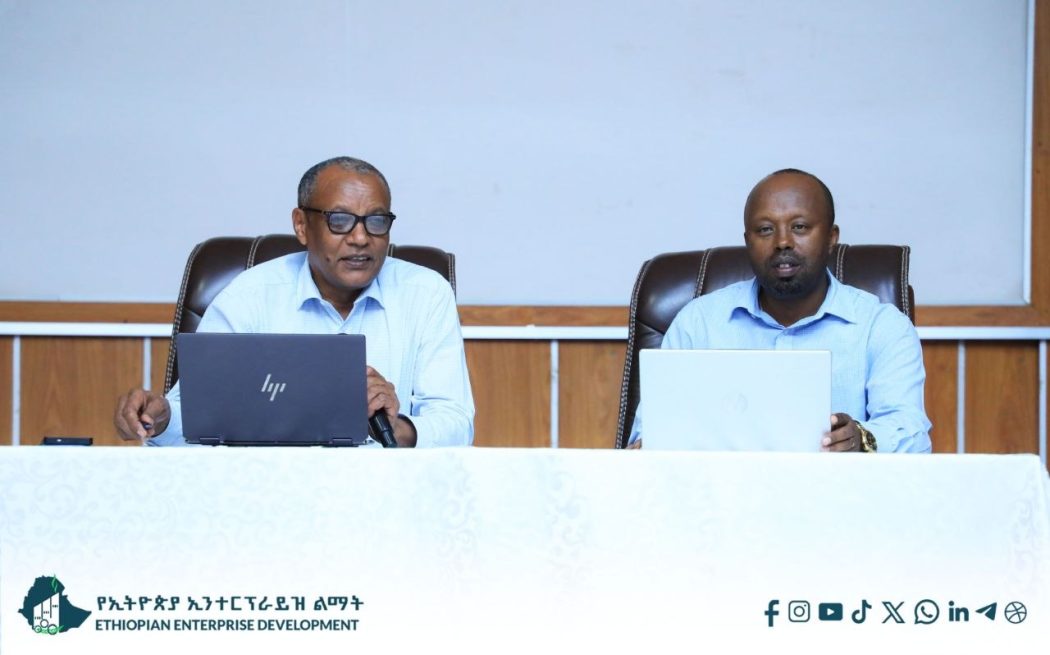
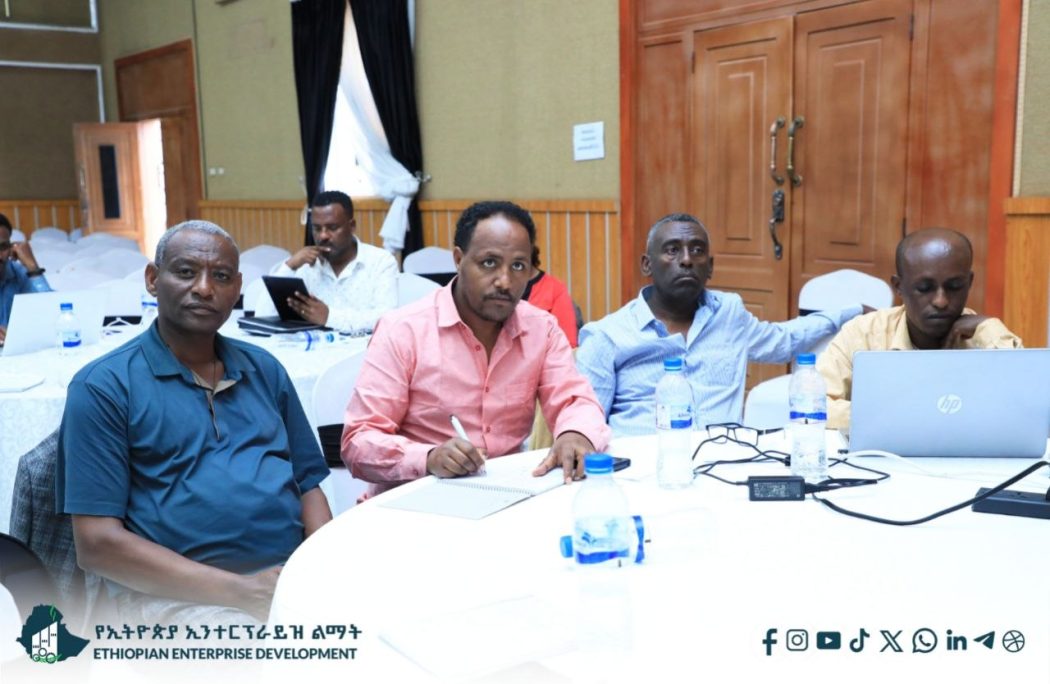
Dr. Alebachew issued these directives during his address at the review forum dedicated to evaluating the fiscal year 2018 performance report and outlining the upcoming budget year’s baseline strategy.
The Director General emphasized that the manufacturing sector inherently demands complex institutional systems and cross-sectoral integration. Consequently, effective monitoring and support cannot merely be hands-off supervision. Instead, it must offer holistic lifecycle support—identifying and addressing operational gaps at every stage, from initial awareness creation and enterprise establishment to factory-floor production and final market delivery.

Dr. Alebachew noted that support strategies should be dual-pronged: empowering capable enterprises to resolve issues independently, while actively connecting resource-constrained businesses with relevant external stakeholders to unlock strategic assistance.
Underscoring that industrial growth cannot be achieved in isolation, the Director General stressed the critical need for tight coordination with key stakeholders to streamline access to financing, raw material inputs, and essential infrastructure deployment.
To implement a truly effective oversight mechanism, detailed and data-driven planning is mandatory. Dr. Alebachew asserted that input requirements, machinery logistics, and institutional capacities must be planned and executed in a highly organized, systematic manner.
While monitoring and support activities are currently underway, the Director General candidly identified existing gaps in reporting standards and real-time data management. To rectify these shortcomings, he prioritized the adoption of digital workflows and the modernization of institutional tracking systems as immediate action items.
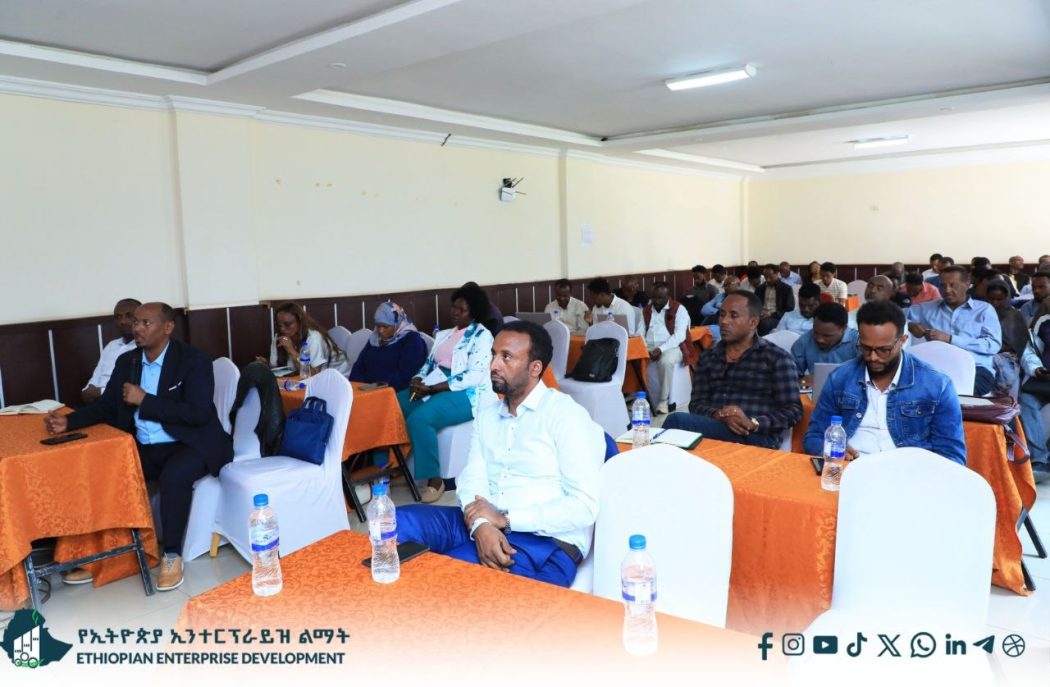
Dr. Alebachew also addressed external economic pressures, noting that global market fluctuations and logistics bottlenecks continue to impact the domestic sector, occasionally driving up inflationary pressures. Shielding local industries from these macroeconomic headwinds requires proactive, strategic intervention.
Looking ahead, the Director General outlined the future roadmap for EED’s oversight framework: boosting the productivity and capacity of Small and Medium Manufacturing Enterprises (SMMEs), establishing crystal-clear operational guidelines, and embedding rigorous institutional accountability into the monitoring loop.
He concluded by directing sector leaders and experts—from the federal down to the regional levels—to break down institutional silos, align their efforts, and work collaboratively toward these shared national objectives.
Recognizing the manufacturing sector as the engine of Ethiopia’s economic transformation, Dr. Alebachew urged all stakeholders to give maximum priority to impact-driven monitoring to register tangible, nationwide results.
#Made_in_Ethiopia
For more updates, visit our official social media channels: Ethiopian Enterprise Development Links